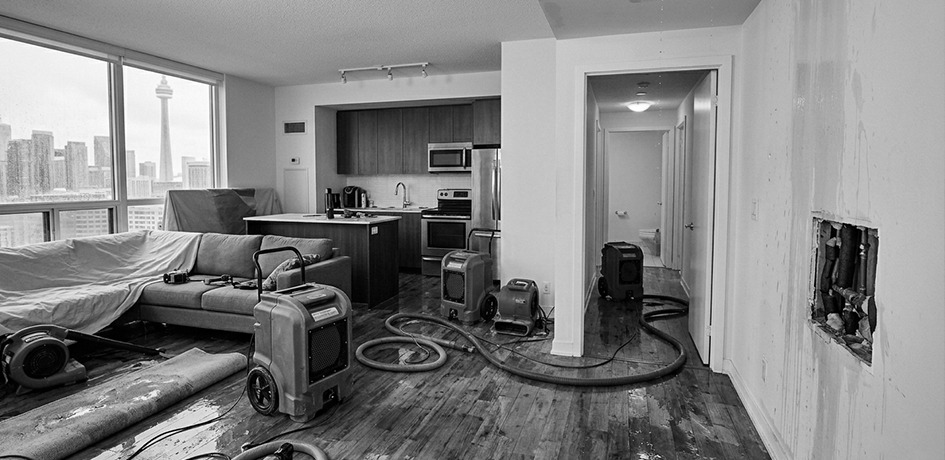
Water damage is one of the most common and costly issues in Toronto condominiums, often leading to complex insurance claims, disputes, and financial strain on condo corporations. In fact, water-related incidents account for a large percentage of condo insurance claims in Canada due to shared infrastructure and high-density living.
For condo boards, preparation is not optional—it’s essential. A proactive strategy can reduce claim disputes, minimize damage, and protect both residents and the corporation from significant financial losses.
Understanding Water Damage Risks in Toronto Condos
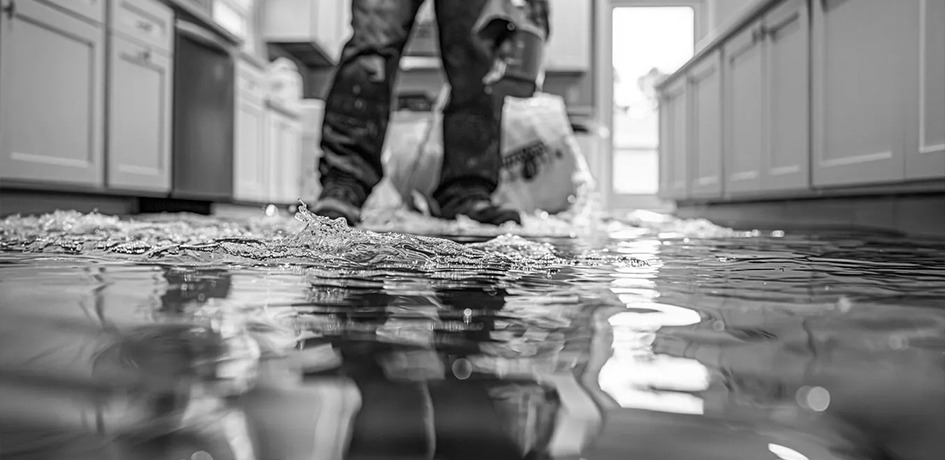
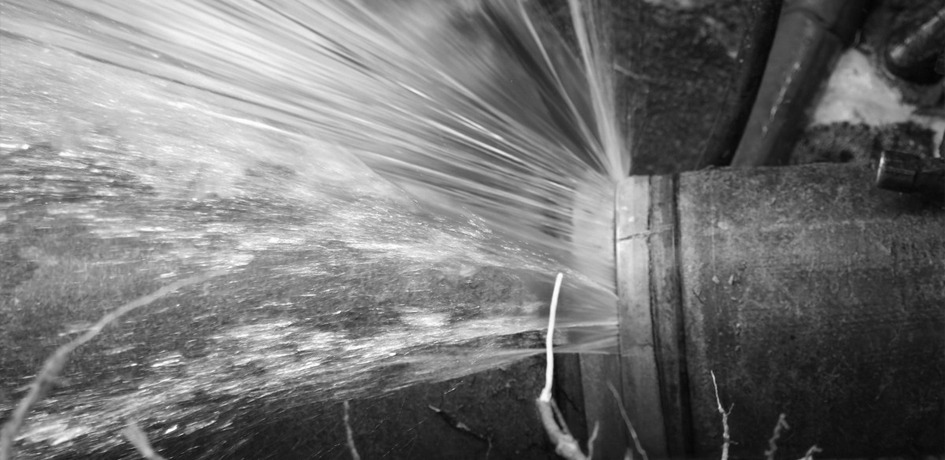
Condominium buildings are highly vulnerable to water damage because of shared plumbing systems, multiple units, and interconnected structures. A single leak— whether from a burst pipe, appliance failure, or roof issue—can impact multiple units and common areas within minutes.
Common causes include:
- Burst or frozen pipes during winter
- Overflowing appliances (dishwashers, washing machines)
- Roof leaks and poor drainage systems
- Plumbing failures in shared walls
- Neglected maintenance issues
Because responsibility can be split between unit owners and the condo corporation, claims often become complicated and time-sensitive.
Clarifying Responsibility Before a Claim Happens
One of the biggest challenges in water damage claims is determining who is responsible for the damage. Condo boards must clearly define this before incidents occur.
1. Standard Unit By-Law
This document defines what is considered a “standard unit.” It determines:
- What the condo corporation’s insurance covers
- What falls under the unit owner’s responsibility
Without this, claim disputes can delay repairs and increase costs.
2. Common Elements vs. Private Units
- Condo corporation: Responsible for common elements like pipes, roofs, hallways
- Unit owners: Responsible for interiors, upgrades, and personal belongings
Clear documentation ensures smoother claims processing and reduces legal conflicts.
Strengthening Insurance Coverage and Policies
Toronto condo boards must ensure that their master insurance policy is up-to-date and comprehensive.
What the Master Policy Covers
- Structural components (walls, ceilings, floors)
- Common elements and shared systems
- Major perils like fire and water escape
What It Does NOT Cover
- Unit upgrades or renovations
- Personal belongings
- Certain water events like sewer backups (unless added)
Additionally, many condo corporations now carry high deductibles (up to $50,000 or more), making it critical to have clear deductible allocation policies.
Creating a Water Damage Response Plan
Prepared condo boards act fast—and speed is everything in minimizing damage.
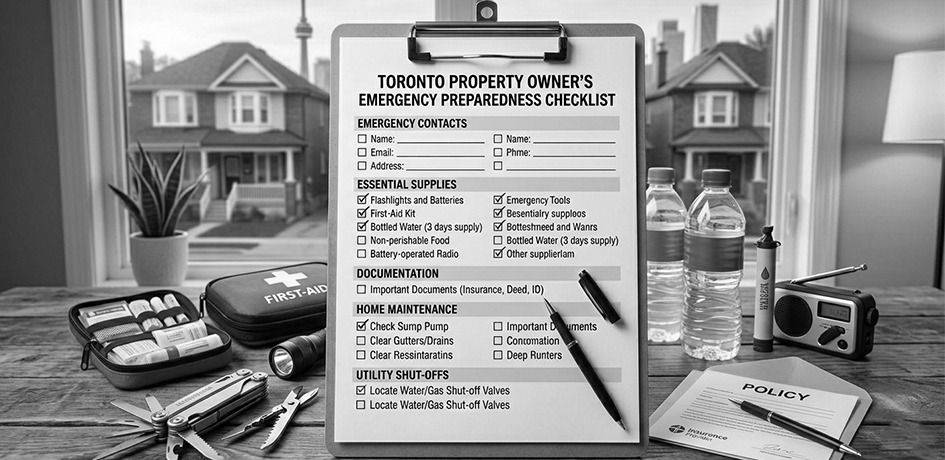
Essential Steps in a Response Plan:
- Emergency contact list (plumbers, restoration companies, insurers)
- Immediate shut-off procedures for water systems
- Communication protocol for notifying residents
- Incident documentation process (photos, reports, timelines)
- Preferred vendor agreements for faster restoration
A well-structured response plan can significantly reduce repair costs and insurance complications.
Educating Residents and Unit Owners
Many water damage incidents occur due to lack of awareness or negligence. Condo boards should actively educate residents about:
- Regular maintenance of appliances and plumbing
- Reporting leaks immediately
- Understanding their insurance responsibilities
- Avoiding unauthorized renovations
Educated residents help prevent claims and reduce overall risk for the building.
Implementing Preventive Maintenance Strategies
Prevention is always more cost-effective than repairs.
Key Preventive Measures:
- Regular inspection of plumbing systems
- Seasonal maintenance (especially before winter)
- Roof and drainage system checks
- Installation of water leak detection systems
- Monitoring aging infrastructure
Proactive maintenance reduces the likelihood of sudden water damage incidents and insurance claims.
Managing Claims Efficiently
When water damage occurs, condo boards must act strategically.
Best Practices:
- Notify insurers immediately
- Coordinate with adjusters and contractors
- Maintain transparent communication with affected owners
- Keep detailed records of all actions and expenses
Since claims often involve multiple insurance policies (unit owner + condo corporation), proper coordination is crucial to avoid delays and disputes.
Final Thoughts
Water damage claims in Toronto condos can quickly escalate into complex, costly, and stressful situations. However, with proper preparation, clear policies, and proactive maintenance, condo boards can significantly reduce risks and streamline claims.
If you’re a condo board or property owner looking for professional restoration and damage repair services, visit Dkimidtown today. Our expert team specializes in fast, reliable water damage restoration across Toronto—helping you protect your property and recover quickly.
FAQs
1. Who is responsible for water damage in a Toronto condo?
Responsibility depends on the source. Unit owners handle damage within their unit, while the condo corporation manages common elements and structural components.
2. Does condo insurance cover all water damage?
No. Standard policies usually cover sudden incidents like burst pipes but may exclude flooding, sewer backups, or gradual leaks unless additional coverage is purchased.
3. Why are water damage claims so common in condos?
Condos have shared plumbing systems and multiple units, increasing the chances of leaks affecting several areas at once.
4. How can condo boards reduce water damage risks?
By implementing preventive maintenance, educating residents, updating insurance policies, and having a clear emergency response plan in place.