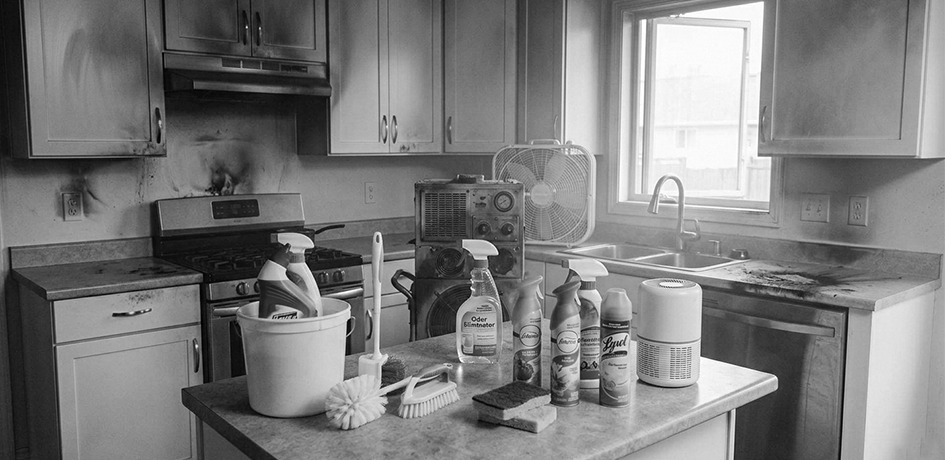
A kitchen fire is a traumatic event. Once the flames are out and the immediate damage is assessed, many Toronto homeowners believe the worst is over. You’ve cleaned the charred surfaces and thrown away the burnt pans—but the smell remains.
Smoke is not just a scent; it is a complex chemical byproduct. At DKI Midtown, we know that removing smoke odour from a kitchen requires more than just opening windows or lighting candles. It requires a scientific approach to “de-neutralizing” microscopic particles.
The Science of Smoke: Why it Lingers
When organic materials (like kitchen cabinets) and synthetic materials (like plastics or appliances) burn, they create different types of soot.
- Protein Smoke: Common in kitchen fires where grease or food burns. It is virtually invisible but has an incredibly pungent, “burnt-meat” smell that sticks to every surface.
- Synthetic Soot: Created by burning plastics and electronics. This leaves a black, smeary residue that can permanently stain walls if wiped incorrectly
Why Standard Cleaning Isn’t Enough
Most homeowners try to scrub walls with soap and water, but this often pushes the soot deeper into the pores of the paint. Smoke particles are extremely small—often measured in microns—allowing them to penetrate:
- Wall Cavities: Smoke travels through electrical outlets and light fixtures.
- Soft Goods: Curtains, carpets, and upholstery act as filters, trapping odour molecules deep within their fibres.
- HVAC Systems: Your ventilation system can distribute smoke particles to every room in your home, even those far from the kitchen.
The DKI Midtown Professional Process
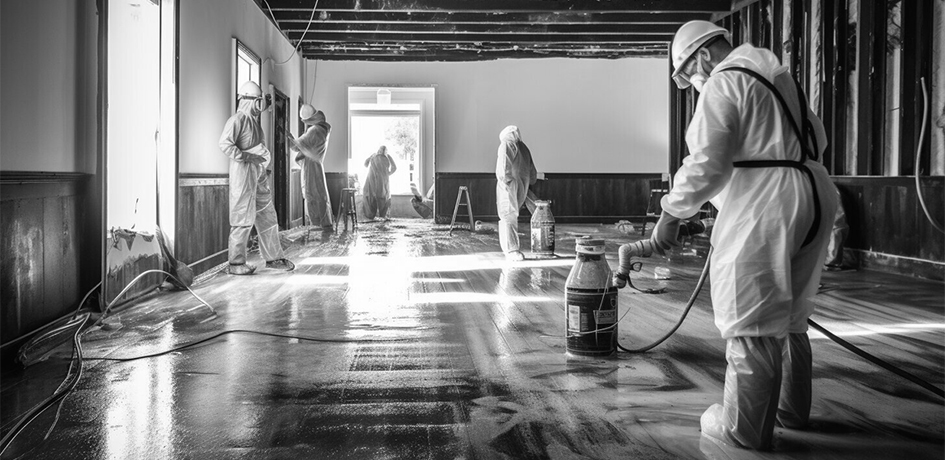
At DKI Midtown, we use a multi-step restoration process to ensure your home returns to a “pre-loss” condition:
- Thermal Fogging: We use specialized equipment to replicate the heat and pressure of the fire, allowing neutralizing agents to penetrate the same pores the smoke did.
- Ozone or Hydroxyl Generators: These machines break down odour molecules at a chemical level, rather than just masking them.
- HEPA Air Scrubbing: We filter the air through high-efficiency particulate filters to remove airborne soot and allergens.
Frequently Asked Questions (FAQs)
1. Can I clean smoke-damaged walls myself?
We advise against it. Using the wrong cleaning agent on “protein smoke” or “oily soot” can permanently set the stain or spread the odour. Professional degreasers and dry-soot sponges are usually required.
2. How long does it take to remove the smoke smell?
Depending on the severity of the fire, professional deodorization can take anywhere from 2 to 5 days. This ensures that the air, the structure, and the contents are all treated.
3. Is it safe to stay in my house after a kitchen fire?
Even a small fire can release toxic chemicals from burnt plastics. If the odour is strong or there is visible soot on surfaces, it is best to have an air quality assessment before staying overnight, especially for children or those with asthma.
4. Does insurance cover professional smoke removal?
Yes, most homeowner insurance policies in Ontario cover “smoke and fire damage” restoration. DKI Midtown has extensive experience working with adjusters to ensure your kitchen is restored properly under your coverage.
Don’t live with the lingering smell of a fire. Let the experts at DKI Midtown restore your air quality and your peace of mind.