Owning property in Toronto comes with responsibilities beyond maintenance and rent collection. One of the most overlooked yet critical aspects is emergency preparedness. Whether it’s a harsh winter storm, unexpected flooding, or a city-wide power outage, being ready can protect your property, tenants, and investment.
This checklist is designed specifically for Toronto property owners, ensuring compliance with local standards while keeping safety and resilience at the forefront.
Key Emergency Preparedness Steps
1. Risk Assessment for Toronto Properties
- Identify common risks: winter blizzards, ice storms, flooding near Lake Ontario, and power outages
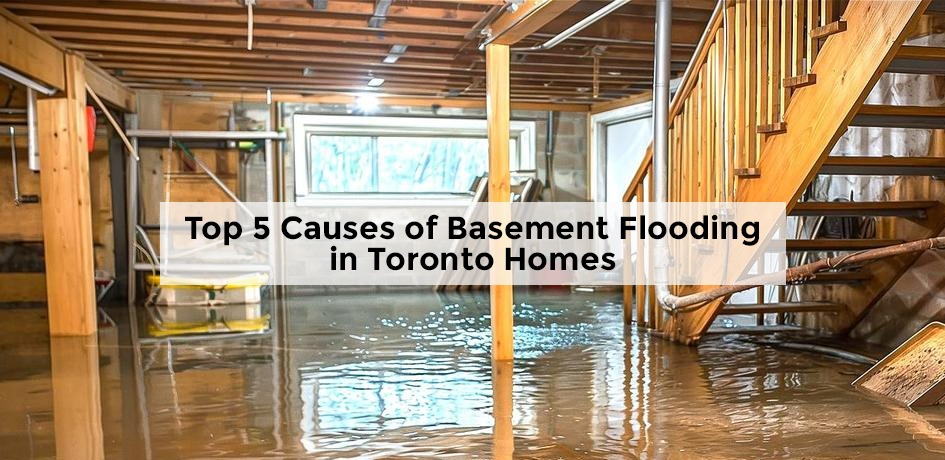
- Inspect basements for water seepage and ensure sump pumps are functional.
- Review insurance coverage for natural disasters and liability.
2. Tenant Communication Plan
- Maintain updated tenant contact lists.
- Share emergency procedures (fire exits, shelter areas, evacuation routes).
- Provide tenants with a digital and printed emergency guide.
3. Property Safety Measures
- Install backup generators for heating and lighting.
- Ensure fire alarms, extinguishers, and carbon monoxide detectors are tested monthly.
- Secure outdoor items (patio furniture, signage) to prevent damage during storms.
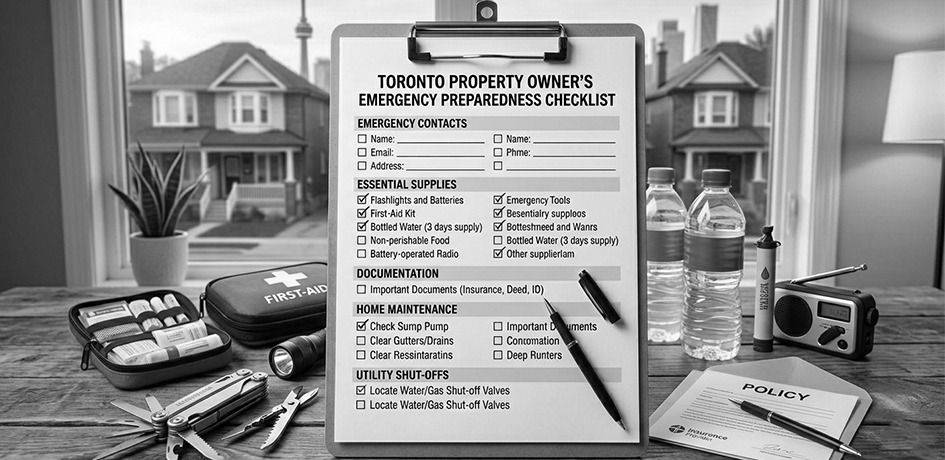
4. Emergency Supplies
- Stock essential items: flashlights, batteries, bottled water, first aid kits.
- Keep sandbags or absorbent barriers for flood-prone areas.
- Maintain snow removal equipment and salt for icy walkways.
5. Local Resources & Contacts
- Toronto Hydro for power outage updates.
- City of Toronto emergency services hotline.
- Nearby shelters and hospitals for tenant safety.
Frequently Asked Questions (FAQs)
Q1: Why is emergency preparedness important for Toronto property owners? Because
Because Toronto experiences extreme weather events like ice storms and flooding, preparednessreduces risks, protects tenants, and safeguards property investments.
Q2: What emergency supplies should landlords keep on-site? Flashlights, batteries,
Flashlights, batteries, bottled water, first aid kits, fire extinguishers, and backup heating sources are essential.
Q3: How can property owners communicate effectively with tenants during emergencies?
Maintain updated contact lists, use group messaging apps, and provide tenants with clear evacuation and safety instructions.
Q4: Does Toronto require landlords to follow specific emergency safety regulations?
Yes, landlords must comply with Ontario’s Fire Code, maintain functional smoke and CO detectors, and ensure safe exits are accessible at all times.
Final Note
Emergency preparedness is not just about compliance—it’s about protecting lives and investments. By following this checklist, Toronto property owners can stay ahead of risks and provide peace of mind to tenants.