Water damage can occur unexpectedly due to floods, burst pipes, heavy rain, or appliance leaks. When water enters a property, immediate action is crucial to prevent structural damage, mould growth, and costly repairs. Professional water extraction and structural drying are essential steps in the water damage restoration process that help restore buildings safely and efficiently.
In this article, we’ll explain the complete process of water extraction and structural drying, along with the important steps professionals follow to protect residential and commercial properties.
Understanding Water Extraction and Structural Drying
Water extraction and structural drying are two of the most critical steps in the water damage restoration process. Water extraction focuses on removing standing water from the property, while structural drying eliminates hidden moisture trapped in building materials such as drywall, wood, and flooring. These steps work together to restore the structure and prevent long-term damage.
If moisture remains inside walls or floors, it can weaken materials and lead to mould growth within 24–48 hours. Quick professional intervention significantly reduces the risk of structural deterioration and health hazards.
Step-by-Step Process of Water Extraction and Structural Drying
1. Inspection and Damage Assessment
The first step in professional water damage restoration is a thorough inspection of the affected property. Restoration specialists identify the source of water intrusion and determine the extent of the damage.
Technicians use specialized tools such as:
- Moisture meters
- Thermal imaging cameras
- Hygrometers
These tools help detect hidden moisture inside walls, floors, and ceilings. Identifying moisture pockets early helps create an effective restoration plan.
2. Safety Measures and Water Source Control
Before starting the extraction process, professionals ensure the property is safe. Electrical hazards are identified, and the water source—such as a broken pipe or leaking appliance—is shut off.
Technicians also categorize the type of water involved:
- Clean water (from broken pipes or rainwater)
- Grey water (from appliances like washing machines)
- Black water (from sewage or contaminated floodwater)
Different water categories require different safety protocols and cleaning procedures.
3. High-Volume Water Extraction
Once the property is safe, technicians begin removing standing water using industrial-grade equipment.
Common water extraction tools include:
- Submersible pumps
- Truck-mounted extractors
- Wet vacuums
- Portable water extraction machines
These machines can remove large volumes of water quickly, preventing it from spreading further into structural materials like wood and drywall. Rapid water extraction significantly reduces restoration time and minimizes structural damage.
4. Removing Saturated Materials
In some situations, certain materials may be too damaged to salvage. Professionals may remove materials such as:
- Wet insulation
- Severely damaged drywall
- Water-logged carpets
- Baseboards or cabinetry
This controlled removal allows better airflow and speeds up the drying process while protecting the remaining structure.
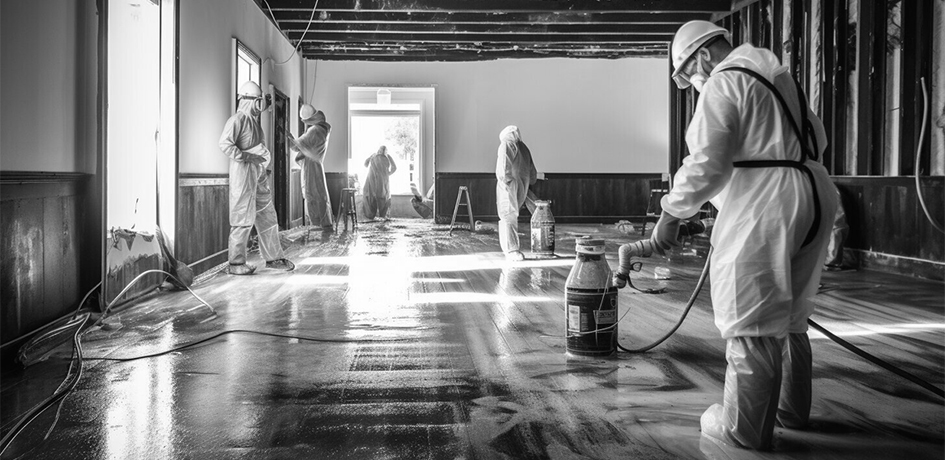
5. Structural Drying and Dehumidification
After water extraction, moisture often remains trapped in building materials and indoor air. This is where structural drying becomes essential.
Professionals use specialized equipment such as:
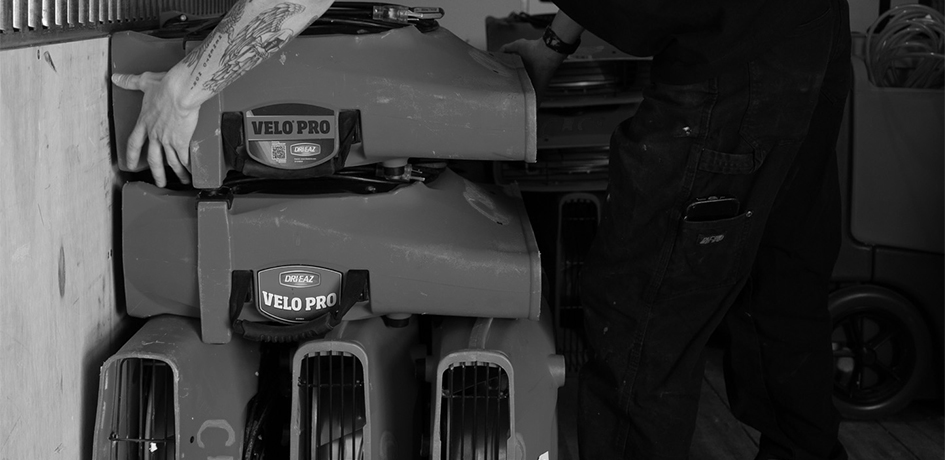
- High-velocity air movers
- Industrial dehumidifiers
- Drying mats
- Air scrubbers
Air movers increase airflow across wet surfaces, helping moisture evaporate into the air. Dehumidifiers then remove this moisture from the air, preventing it from reabsorbing into building materials.
This controlled drying environment continues until moisture levels return to normal standards.
6. Moisture Monitoring and Progress Checks
Structural drying requires careful monitoring. Restoration technicians visit the property regularly to check moisture levels and adjust equipment placement if necessary.
Moisture readings are taken daily to ensure that:
- Walls are drying properly
- Floors and subfloors are moisture-free
- Indoor humidity levels remain stable
Drying typically takes 3–7 days, depending on the size of the affected area and the materials involved.
7. Cleaning, Sanitizing, and Odor Removal
After the structure is completely dry, professionals clean and sanitize the affected areas. This step is especially important if the water involved contamination.
Cleaning may include:
- Antimicrobial treatments
- Surface disinfection
- HEPA air filtration
- Odor removal treatments
These procedures help restore indoor air quality and prevent mould growth.
8. Restoration and Final Repairs
The final stage involves repairing or replacing damaged materials to restore the property to its original condition.
Restoration may include:
- Drywall repair
- Flooring replacement
- Painting and finishing
- Structural repairs
Once repairs are complete, the property becomes safe and fully functional again.
Why Professional Water Extraction and Drying Is Important
Handling water damage without proper equipment can lead to hidden moisture problems that may cause long-term structural damage or mould growth. Professional restoration teams use advanced tools and proven techniques to ensure complete moisture removal and safe restoration.
Fast professional intervention offers several benefits:
- Prevents mould growth
- Protects structural integrity
- Reduces repair costs
- Improves indoor air quality
- Restores properties faster
FAQs
How long does water extraction and structural drying take?
The process usually takes 3–7 days, depending on the severity of water damage and the materials affected.
Can water damage cause mould growth?
Yes. Mould can start developing within 24–48 hours if moisture is not removed properly.
What equipment is used for structural drying?
Professionals typically use air movers, industrial dehumidifiers, moisture meters, and air scrubbers to dry buildings effectively.
Is professional water extraction necessary after flooding?
Yes. Professional equipment can remove water much faster and more thoroughly than DIY methods, preventing long-term structural damage.
Conclusion
Water damage can cause serious problems if not addressed quickly. The combination of water extraction and structural drying ensures that excess water and hidden moisture are completely removed from the property. From inspection and water removal to drying, sanitation, and final restoration, every step plays a crucial role in protecting buildings from long-term damage.
If your property experiences flooding, leaks, or water damage, professional restoration services are essential for a safe and effective recovery.
For reliable water extraction, structural drying, and water damage restoration services, property owners can trust the experienced team at DKI Midtown, where trained specialists provide fast response and professional solutions to restore homes and businesses after water damage.