Renovating an older property can bring exciting improvements, but it can also uncover hidden hazards that must be handled carefully. One of the most serious risks found in older homes and commercial buildings is asbestos. For many years, asbestos was widely used in construction materials due to its durability, heat resistance, and insulating properties. However, it is now known that exposure to asbestos fibers can cause severe health problems.
Understanding what asbestos is and why safe asbestos removal during renovations is critical to help protect property owners, workers, and occupants from long-term health risks.
What Is Asbestos?
Asbestos is a naturally occurring mineral that was commonly used in building materials from the 1940s to the late 1980s. It was popular because of its strength, fire resistance, and ability to insulate buildings.
You can often find asbestos in materials such as:
- Insulation around pipes and boilers
- Vinyl floor tiles and adhesives
- Ceiling tiles and textured ceilings
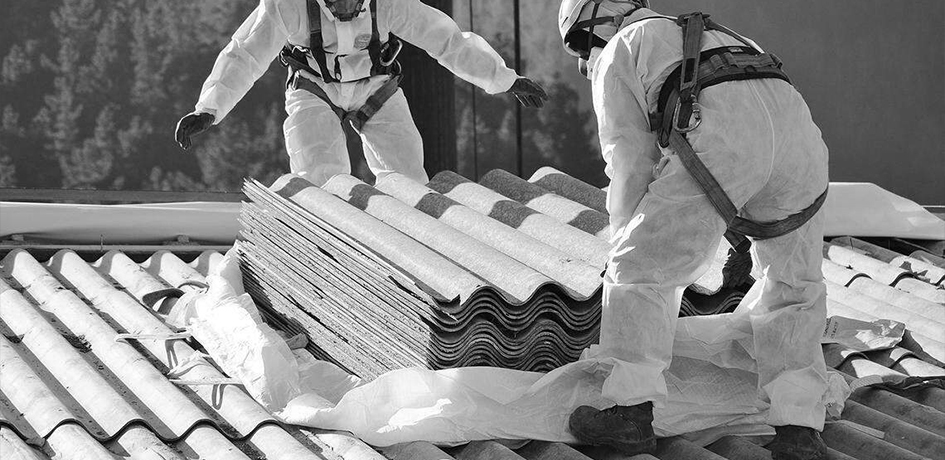
- Cement siding and roofing materials
- Drywall joint compounds
- HVAC duct insulation
While asbestos-containing materials may not pose a risk when they are intact, they become dangerous when they are disturbed or damaged.
Why Asbestos Becomes Dangerous During Renovations
During renovation or demolition of work, building materials may be cut, drilled, sanded, or removed. These activities can release tiny asbestos fibers into the air.
Once airborne, these microscopic fibers can be inhaled and become trapped in the lungs. Over time, exposure to asbestos fibers can lead to serious health conditions.
Some of the most serious illnesses associated with asbestos exposure include:
- Asbestosis – scarring of lung tissue
- Mesothelioma – a rare cancer affecting the lining of the lungs or abdomen
- Lung cancer
- Chronic respiratory problems
Because asbestos fibers are invisible and odorless, people may not even realize they are being exposed. This is why professional asbestos inspection and removal are essential before renovation work begins.
Signs That a Property May Contain Asbestos
Many older homes and commercial properties built before the 1990s may contain asbestos materials. While it cannot always be identified by sight, some common indicators include:
- Older popcorn ceilings or textured ceilings
- Vinyl floor tiles installed before the 1980s
- Old pipe insulation or boiler insulation
- Cement board siding or roofing shingles
- Damaged insulation in attics or basements
If you suspect asbestos in your property, it is important not to disturb the material. Professional testing is the safest way to confirm whether asbestos is present.
The Importance of Professional Asbestos Inspection
Before starting any renovation or demolition project, a professional asbestos inspection is highly recommended. Certified specialists collect samples of suspected materials and send them to be accredited laboratories for analysis.
This process helps determine:
- Whether asbestos is present
- The type of asbestos-containing material
- The condition of the material
- The safest removal or containment method
Proper inspection helps prevent accidental exposure and ensures compliance with local health and safety regulations.
The Safe Asbestos Removal Process
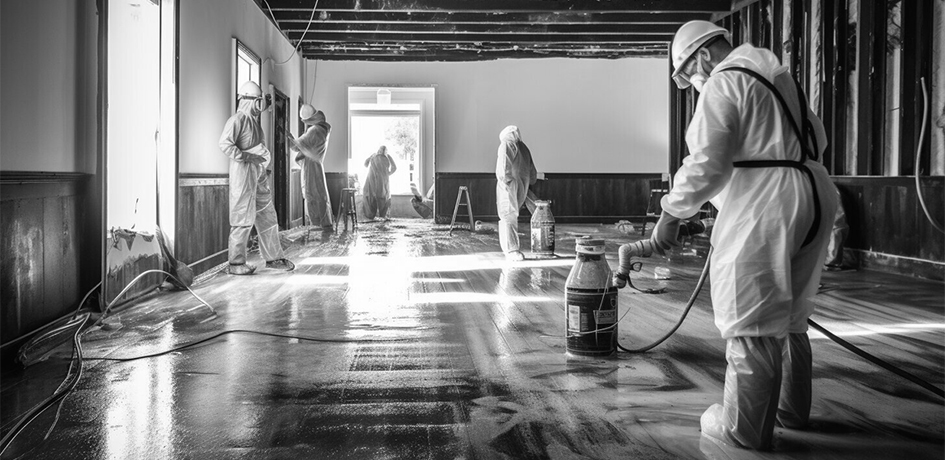
Professional asbestos abatement involves strict safety procedures designed to protect both workers and occupants. The process typically includes several key steps.
1. Site Preparation and Containment
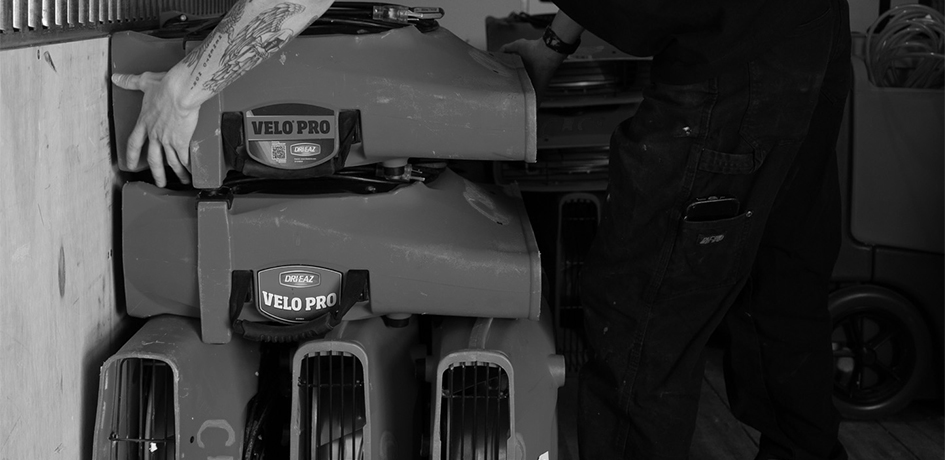
Specialists isolate the affected area using plastic barriers and negative air pressure systems. This prevents asbestos fibers from spreading to other parts of the building.
2. Protective Equipment
Workers wear specialized protective equipment, including respirators, disposable suits, gloves, and eye protection to prevent inhalation of asbestos fibers.
3. Controlled Removal
Trained technicians carefully remove asbestos-containing materials using approved techniques that minimize fiber release. Wet methods are often used to keep fibers from becoming airborne.
4. Safe Disposal
All asbestos waste is sealed in specialized containers and transported to approved hazardous waste disposal facilities.
5. Air Quality Testing
After removal, air monitoring and clearance testing ensure that the area is safe before renovation work continues.
Why DIY Asbestos Removal Is Dangerous
Attempting to remove asbestos without professional training can significantly increase exposure risks. Disturbing asbestos materials without proper containment can release fibers throughout the entire building.
DIY removal may lead to:
- Air contamination throughout the property
- Increased health risks for occupants
- Legal and environmental violations
- Improper disposal of hazardous materials
- Professional asbestos removal companies follow strict industry guidelines and safety standards to ensure safe handling and disposal.
Protecting Your Property During Renovations
If you are planning a renovation project, especially in an older property, taking the time to conduct an asbestos inspection can prevent serious problems. Identifying hazardous materials early allows contractors to create a safe plan before any work begins.
Safe asbestos removal not only protects the health of workers and occupants but also ensures that renovation projects comply with building and environmental regulations.
Frequently Asked Questions (FAQs)
How do I know if my home contains asbestos?
Homes built before the 1990s may contain asbestos in insulation, flooring, ceilings, or roofing materials. Professional testing is the only reliable way to confirm its presence.
Is asbestos dangerous if it is not disturbed?
If asbestos-containing materials remain intact and undamaged, they may not pose an immediate risk. However, renovations or damage can release harmful fibers into the air.
Can asbestos be removed safely?
Yes. Licensed professionals use specialized containment systems, protective equipment, and safe disposal methods to remove asbestos safely.
Do I need an asbestos inspection before renovating?
Yes, especially in older buildings. An inspection ensures that any hazardous materials are identified and safely handled before construction begins.
Conclusion
Asbestos remains one of the most serious hidden hazards in older buildings. During renovation projects, disturbing asbestos-containing materials can release dangerous fibers into the air, posing significant health risks to anyone nearby.
Understanding the importance of safe asbestos removal is essential for protecting both property occupants and construction workers. Professional inspection, proper containment, and expert removal procedures ensure that renovations can proceed safely and in compliance with safety regulations.
For property owners planning renovations or dealing with suspected asbestos materials, working with experienced professionals is the safest choice. The team at DKI Midtown provides reliable inspection, safe asbestos removal, and restoration services to help ensure that renovation projects are completed safely and responsibly.
You don’t have enough Humanizer words left. Upgrade your Surfer plan.