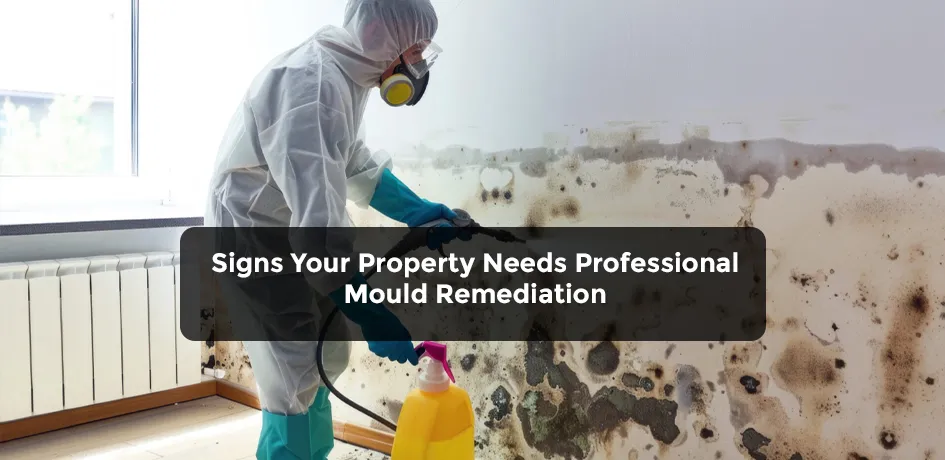
Mould is a common issue in many residential and commercial properties, especially in environments where moisture and humidity are present. While a small patch of mould may appear harmless at first, it can quickly spread and lead to structural damage, poor indoor air quality, and potential health risks. Recognizing the early warning signs can help property owners take action before the situation becomes more serious. In many cases, professional mould remediation is the safest and most effective way to completely remove mould and prevent it from returning.
Persistent Musty Odors in Your Property
One of the most common signs of mould growth is a persistent musty smell. Even when mould is not visible, this strong earthy odor can indicate that mould is growing somewhere hidden within the property. Mould often develops behind walls, beneath carpets, inside ventilation systems, or in damp basements and crawl spaces.
These smells are caused by microbial volatile organic compounds released by mould colonies. If you notice that the odor remains even after cleaning or airing out the space, it could be a sign that mould is present in areas that require professional inspection and treatment.
Visible Mould Growth on Walls or Ceilings
Visible mould is one of the clearest indicators that your property may require mould remediation. Mould can appear in several colors such as black, green, white, or grey. It commonly grows on surfaces like drywall, ceiling tiles, wood, carpets, and bathroom tiles.
Although some people attempt to remove mould with household cleaning products, surface cleaning usually does not eliminate the root of the problem. Mould spores can penetrate porous materials and continue growing underneath the surface. Professional mould remediation specialists use specialized equipment and techniques to completely remove mould and treat the affected areas.
Water Damage or Previous Flooding
Properties that have experienced water damage or flooding are highly vulnerable to mould growth. Mould can begin to develop within 24 to 48 hours after moisture exposure. Even if the water has been cleaned up, moisture can remain trapped inside building materials such as drywall, insulation, or flooring.
Common sources of moisture that lead to mould problems include leaking pipes, roof damage, basement flooding, or poor drainage around the property. If your property has had water damage in the past, it is important to inspect for hidden mould to avoid long-term structural issues.
Peeling Paint or Bubbling Walls
When excess moisture becomes trapped behind walls or ceilings, it can cause visible surface changes such as peeling paint, bubbling wallpaper, or cracking surfaces. These signs often indicate that moisture has penetrated the structure of the wall.
Moisture buildup behind walls creates the ideal conditions for mould growth. If you notice paint blistering or unexplained wall damage, it is recommended to investigate the issue quickly to prevent mould from spreading further.
Health Symptoms That Worsen Indoors
Another important sign of mould contamination is when occupants of the property experience health symptoms that worsen indoors. Mould spores can affect indoor air quality and trigger allergic reactions or respiratory issues.
Common symptoms linked to mould exposure include sneezing, coughing, headaches, nasal congestion, skin irritation, and breathing difficulties. People with asthma, allergies, or weakened immune systems are especially sensitive to mould exposure. If symptoms improve when leaving the property but return once inside, mould may be the cause.
Increased Humidity and Condensation
High humidity levels inside a property can contribute significantly to mould growth. If you frequently notice condensation forming on windows, pipes, or walls, it may mean that indoor humidity levels are too high.
Bathrooms, kitchens, basements, and laundry areas are especially prone to humidity problems. When humidity consistently exceeds recommended levels, mould spores can easily settle and grow on surfaces. Professional mould remediation often includes identifying moisture sources and improving ventilation to prevent recurring mould problems.
Dark Stains or Discoloration on Surfaces
Mould does not always appear as fuzzy patches. In some cases, it may look like dark stains or discoloration on walls, ceilings, or floors. These stains often spread gradually and may be mistaken for simple water damage.
If the stains continue to grow or reappear after cleaning, it may indicate mould colonies developing beneath the surface. Professional inspection can help determine the cause and ensure that proper remediation steps are taken.
Recurring Mould After Cleaning
If mould continues to return even after cleaning attempts, it is a strong sign that the contamination is deeper than the surface. Many household cleaning methods remove only visible mould but fail to eliminate spores hidden within materials like wood, drywall, or insulation.
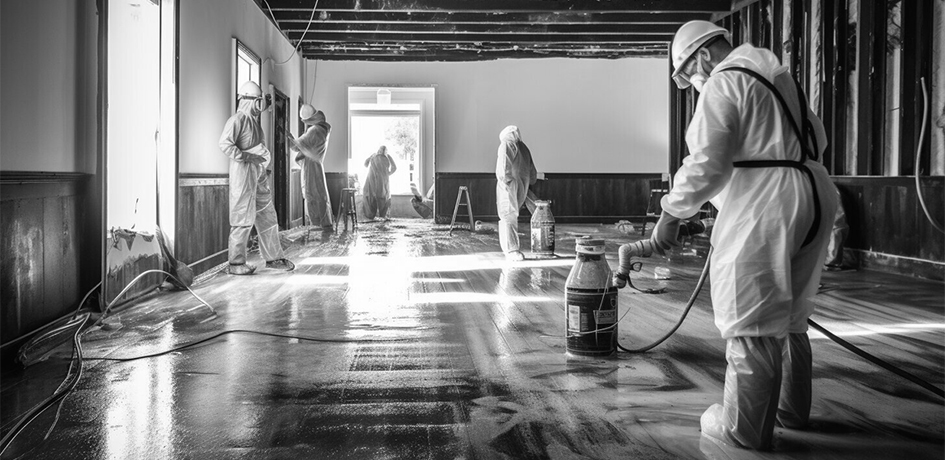
Professional mould remediation services use advanced tools, containment systems, and antimicrobial treatments to fully eliminate mould and prevent it from spreading to other parts of the property.
Frequently Asked Questions (FAQs)
How do I know if mould requires professional remediation?
If mould covers a large area, keeps returning after cleaning, or is caused by water damage or flooding, it is best to contact professional mould remediation specialists. They can safely remove mould and address the root cause of the problem.
Can mould affect indoor air quality?
Yes, mould releases microscopic spores into the air that can reduce indoor air quality and trigger allergies, respiratory problems, and other health issues, especially for sensitive individuals.
Is mould always visible?
No, mould can grow in hidden areas such as inside walls, under carpets, or within HVAC systems. Often, the only initial sign may be a musty smell or unexplained health symptoms.
How long does professional mould remediation take?
The duration depends on the severity of the mould problem and the size of the affected area. Small remediation projects may take a day or two, while larger cases involving structural damage can take several days.
Conclusion
Mould problems should never be ignored, as they can lead to serious health concerns and costly structural damage if left untreated. Signs such as musty odors, visible mould growth, water damage, peeling paint, and unexplained health symptoms often indicate that mould is present within the property.
Addressing mould early can prevent it from spreading and protect the safety of your indoor environment. Professional mould remediation ensures that mould is completely removed while also addressing the moisture issues that caused it in the first place.
For reliable mould inspection, cleanup, and property restoration services, property owners can rely on the experienced team at DKI Midtown to identify the problem and provide effective remediation solutions.