A house fire can be devastating, and even after the flames are extinguished, the lingering smoke odor can make a home uncomfortable and unsafe. Smoke particles penetrate walls, furniture, carpets, and HVAC systems, causing persistent smells that don’t disappear on their own. Proper smoke odor removal after a house fire requires a step-by-step approach using the right techniques and products.
Why Smoke Odor Lingers After a Fire
Smoke odor remains because microscopic particles from burned materials settle deep into porous surfaces like drywall, wood, fabric, and insulation. Different fires produce different smells—electrical fires, grease fires, and structural fires all release unique chemical residues. Without proper fire damage restoration, these odors can last for months or even years.
Step 1: Ventilate the Property Thoroughly
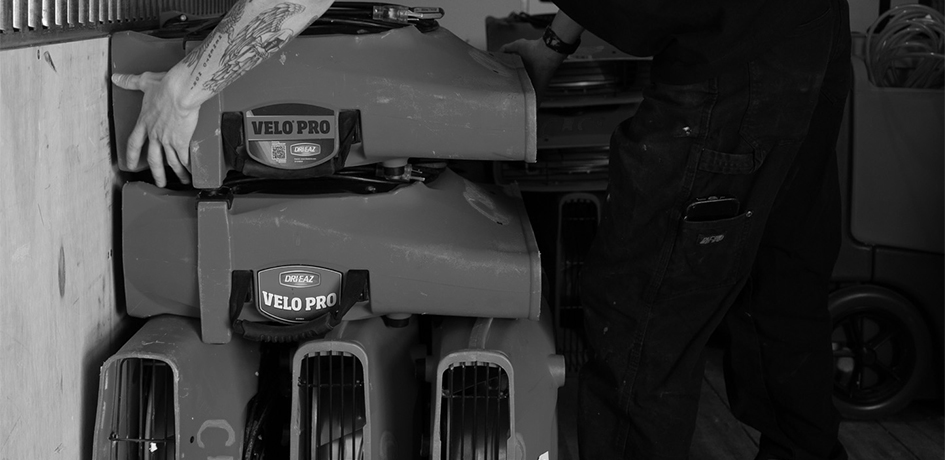
The first step in removing smoke smell from a house is ventilation. Open all windows and doors to allow fresh air circulation. Use fans to push contaminated air outside and bring clean air inside. This helps reduce surface-level odors and improves indoor air quality before deeper cleaning begins.
Step 2: Clean Soot and Smoke Residue
Soot is a major source of smoke odor. Wear protective gloves and masks before cleaning. Use dry sponges (chemical sponges) to wipe soot from walls, ceilings, and hard surfaces. Follow up with a mixture of mild detergent and warm water. Avoid scrubbing too hard, as it can push soot deeper into surfaces.
Step 3: Wash or Replace Soft Materials
Soft materials absorb smoke easily. Wash curtains, clothing, and linens using hot water and odor-neutralizing detergents. Carpets, rugs, and upholstered furniture may require professional smoke damage cleaning or steam treatment. In severe cases, replacement may be the only effective solution.
Step 4: Use Odor Neutralizers (Not Just Air Fresheners)
Air fresheners only mask the smell. Instead, use odor neutralizers like:
- Baking soda (for carpets and upholstery)
- White vinegar (for hard surfaces)
- Activated charcoal (to absorb odors)
- Commercial smoke odor removers
For severe damage, professional services may use ozone treatment or thermal fogging, which neutralize smoke particles at a molecular level.
Step 5: Clean the HVAC System
Smoke travels through air ducts and settles inside HVAC systems. Replace all air filters immediately and have ducts professionally cleaned. This step is critical to prevent smoke odor from re-circulating throughout the home.
Step 6: Repaint and Seal Surfaces
If odors persist, repainting may be necessary. Use a smoke-blocking primer before applying new paint. These primers seal in residual odors and prevent them from bleeding through walls and ceilings.
When to Call Professional Fire Restoration Services
DIY methods work for minor smoke damage, but extensive fires require professional fire and smoke damage restoration. Experts have industrial-grade equipment and proven techniques to safely restore your home and eliminate odors completely.
We Are Here for You
At DKI Toronto Midtown, we understand the emotional toll fire damage can take. That’s why we offer ongoing support, expert care, and fast response—because your safety and peace of mind matter. Contact us today for emergency restoration services.
FAQs About Removing Smoke Odor After a House Fire
1. How long does smoke odor last after a fire?
Smoke odor can last months or years if not properly treated, especially in porous materials.
2. Can I remove smoke smell on my own?
Minor smoke damage can be handled DIY, but heavy smoke odor usually requires professional restoration.
3. Does vinegar really remove smoke odor?
Yes, vinegar neutralizes odors, but it works best for light to moderate smoke smells.
4. Is ozone treatment safe for smoke odor removal?
Ozone treatment is effective but should only be done by professionals, as spaces must be unoccupied.
5. Should I replace carpets after fire damage?
If smoke odor persists after deep cleaning, replacement may be the best long-term solution.