Water damage can happen without warning—burst pipes, roof leaks, flooding, or appliance failures can quickly turn into a serious emergency. Acting fast is critical to minimize structural damage, prevent mold growth, and reduce restoration costs. This emergency water damage restoration checklist for homeowners will help you take the right steps when disaster strikes.
Step 1: Ensure Safety First
Before addressing water damage, your safety comes first. If there is standing water, turn off the electricity from the main breaker—especially if water has reached electrical outlets. Avoid entering flooded areas where structural damage may exist. If the water source is contaminated, such as sewage backup or floodwater, do not attempt cleanup without protective gear.
Step 2: Stop the Water Source Immediately
Identify and stop the source of water. Shut off the main water supply if the damage is caused by burst pipes or plumbing issues. If the issue is from a roof leak, place temporary covers to prevent further water intrusion until repairs can be made.
Step 3: Document the Damage
Take clear photos and videos of all affected areas, including walls, floors, furniture, and personal belongings. Proper documentation is essential for water damage insurance claims and helps speed up the restoration process.
Step 4: Remove Standing Water
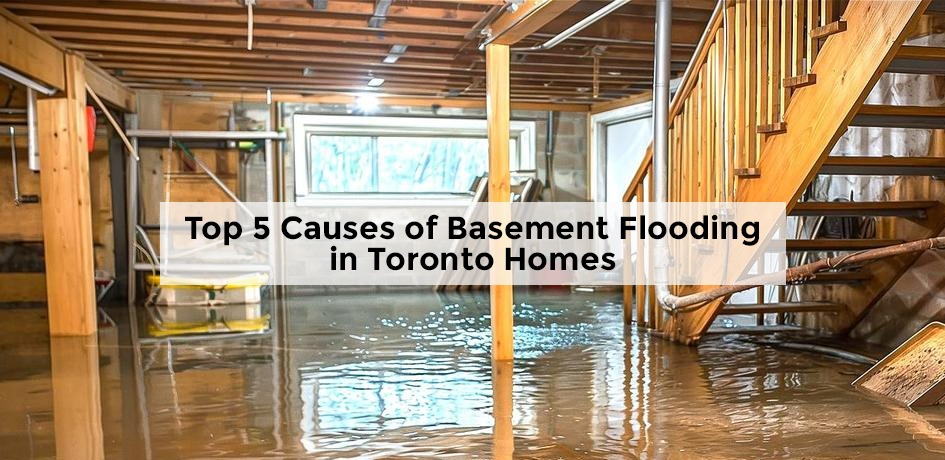
Remove standing water as soon as possible using buckets, wet/dry vacuums, or pumps. The longer water sits, the higher the risk of structural damage and mold growth. Professional water extraction services may be required for severe flooding.
Step 5: Dry and Dehumidify the Area
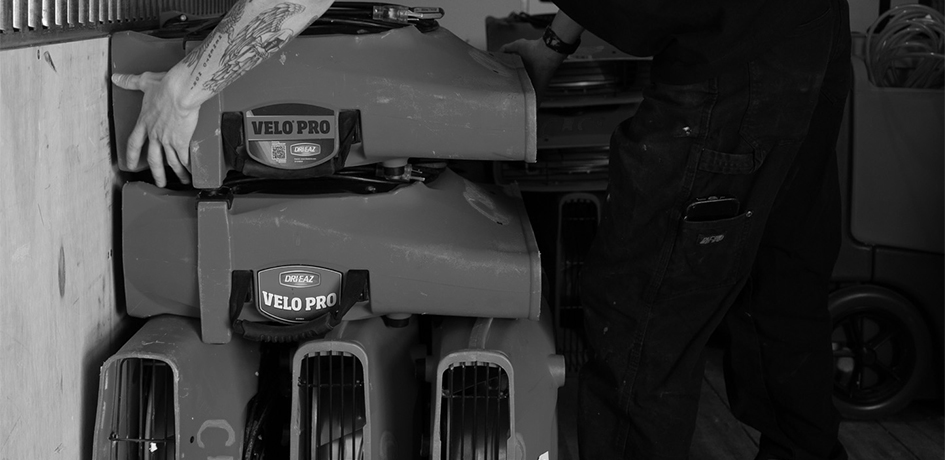
After water removal, begin drying the space. Use fans, dehumidifiers, and open windows to increase airflow. Moisture trapped in walls and flooring can lead to mold within 24–48 hours, making this step crucial in water damage restoration.
Step 6: Protect and Remove Damaged Items
Move undamaged belongings to a dry area. Remove soaked carpets, rugs, mattresses, and upholstery if they cannot dry quickly. Porous materials left wet can become breeding grounds for mold and bacteria.
Step 7: Prevent Mold Growth
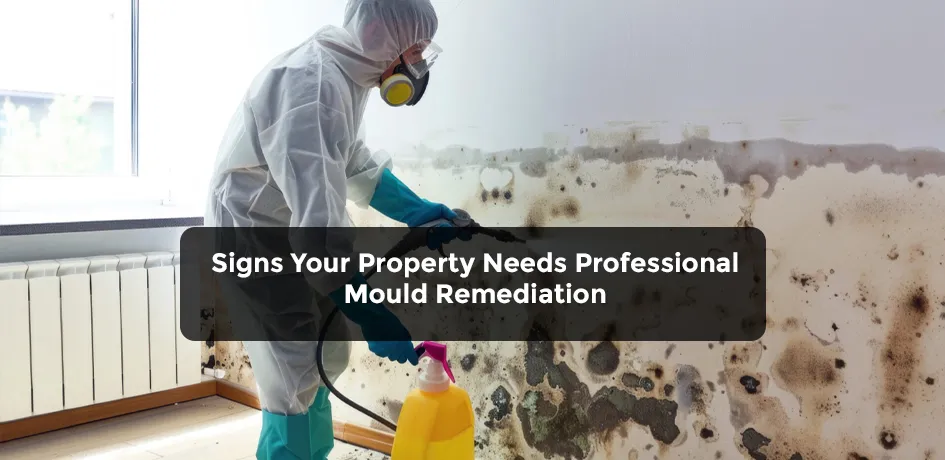
Apply mold-resistant cleaners to affected surfaces once drying begins. Monitor humidity levels and continue dehumidification until moisture readings return to safe levels. If you notice musty odors or visible mold, contact a professional mold remediation service immediately.
Step 8: Call a Professional Water Damage Restoration Company
For extensive damage, professional emergency water damage restoration services are the safest and most effective solution. Experts use advanced equipment to detect hidden moisture, fully dry structures, and restore your home to pre-damage conditions.
FAQs: Emergency Water Damage Restoration
1. How quickly should water damage be addressed?
Water damage should be addressed immediately—within the first 24 hours—to prevent mold and structural issues.
2. Can I handle water damage cleanup myself?
Minor leaks can be DIY, but large-scale flooding or contaminated water requires professional restoration.
3. How long does water damage restoration take?
Drying may take 2–5 days, while full restoration can take 1–3 weeks depending on severity.
4. Does homeowners insurance cover water damage?
Coverage depends on the cause. Sudden issues like burst pipes are usually covered, while floods often require separate insurance.
5. When should I worry about mold after water damage?
Mold can begin growing within 24–48 hours if moisture is not properly removed.